

Article written on 27th Oct 2026 by Melissa Nye (B. Pharm), Co-Founder and COO at Pet Chemist, AHPRA-registered pharmacist
Halloween fever has well and truly landed in Australia. Where there used to be a handful of houses with a carved pumpkin, plenty of streets now do the full thing, decorations, costumes, and a doorbell that rings all evening.
Your dog has noticed. Specifically, that for one night a year the house fills with bowls of chocolate at nose height, the front door keeps opening, and strangers in alarming outfits appear on the doorstep.
It’s a busy night for emergency vet clinics, and the reasons are predictable. Here’s what to watch for, what to do if something goes wrong, and how to let your pets join in.
Chocolate!
Chocolate contains theobromine, a compound closely related to caffeine. People clear it from the body quickly. Dogs don’t and unfortunately it builds up, and affects the heart and nervous system.
The important thing to understand is that not all chocolate is equal. Theobromine concentration rises the darker and more bitter the chocolate gets, so dark and cooking chocolate are considerably more dangerous gram for gram than milk chocolate. White chocolate contains very little. A Labrador that eats one milk chocolate frog is in a very different situation from a Jack Russell that finds a block of 85% dark.
Signs usually show up within a few hours and can include vomiting, diarrhoea, restlessness or agitation, increased thirst, a racing heart, tremors and, in serious cases, seizures.
Don’t wait to see what happens. If your dog has eaten chocolate, call your vet straight away with the type of chocolate, roughly how much, and your dog’s weight. Those three pieces of information are what determines whether this is a watch-and-wait or an emergency, and your vet can tell you in a single phone call.
The toxins people don’t think about
- Xylitol (sometimes labelled birch sugar) is the one that catches owners out. It’s a sugar substitute in some sugar-free lollies, chewing gum, chocolate, and even yoghurt that for dogs can trigger a dangerous drop in blood sugar. It’s worth reading labels on anything “sugar-free” that comes into the house and not feeding any to your dog.
- Raisins and sultanas are common in snack packs and fun-size boxes but can cause kidney damage in dogs, and the amount that does it varies unpredictably between individuals. There’s no safe quantity to work from so best to avoid.
- Macadamias are an Australian staple and shouldn’t be shared with dogs. They cause weakness, tremors and hind-leg wobbliness.
- Lolly wrappers may be the most underrated hazard on this list. Foil and cellophane eaten can cause an intestinal blockage, which is a surgical problem. Signs include vomiting, going off food, straining without producing anything, and lethargy. Be mindful that with a blockage, these symptoms may not appear for a day or two.


For noise-sensitive dogs, the constant doorbell is genuinely stressful. If your dog struggles with fireworks or thunderstorms, this will be a hard night too. Our anxiety and stress range for dogs has calming options worth discussing with your vet, and our article on how Zylkene helps anxiety and stress in pets covers one of the more commonly used products.
Cats, and the non-food hazards
Cats are less likely to raid the lolly bowl, but they still can find their own trouble.
- Glow sticks account for a surprising number of calls to vets, and most of them are for cats. The liquid inside tastes vile so expect dramatic drooling, foaming and pawing at the mouth. Whilst unpleasant rather than usually dangerous, but worth a call to your vet.
- Candles inside pumpkins sit exactly at tail height. Battery tea lights solve this entirely.
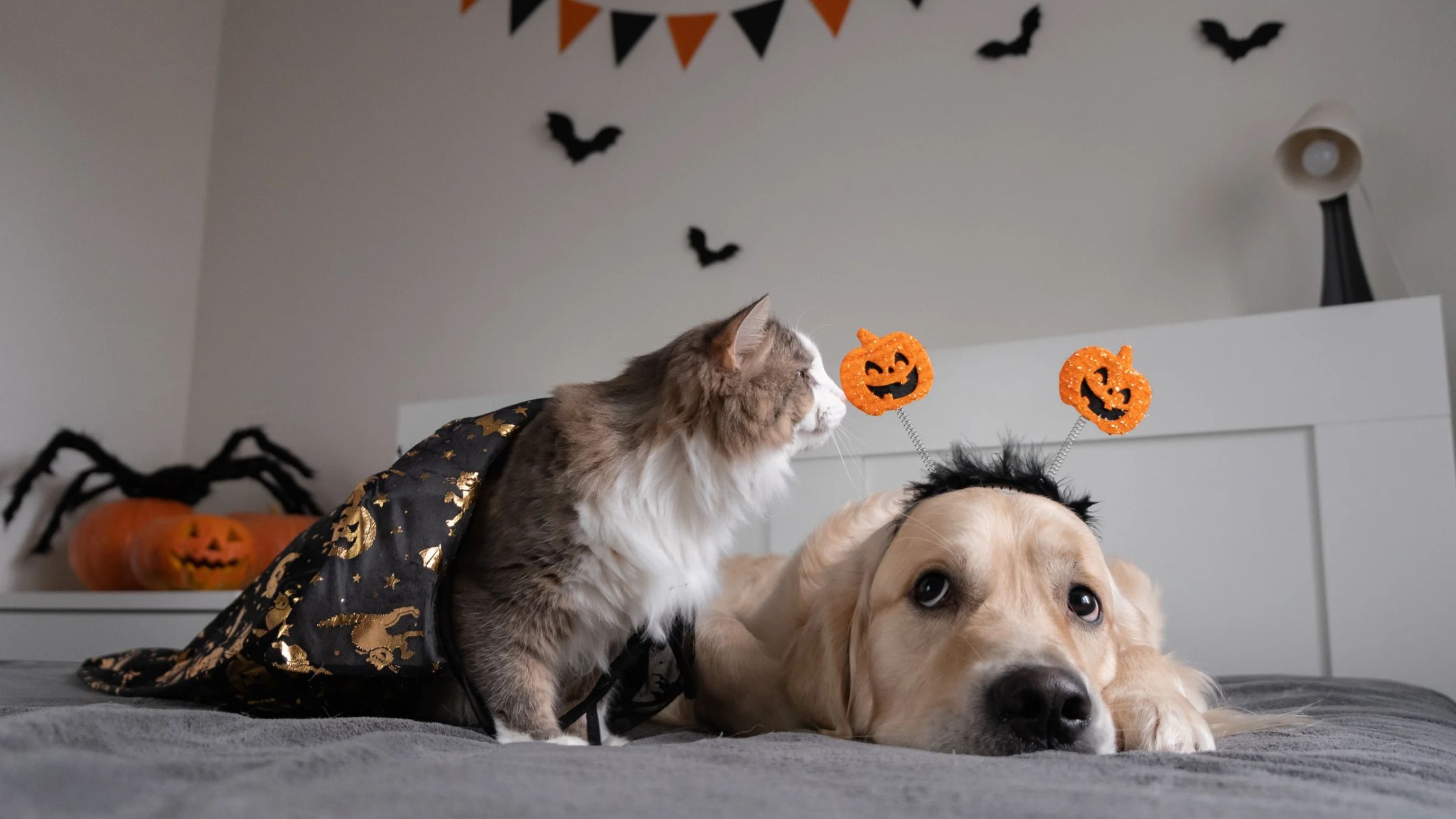
- Costumes should never restrict movement, vision, breathing or the ability to pant, and a pet in costume shouldn’t be left unsupervised — small attachments and beads get chewed off and swallowed.
- The front door is another risk that people often forget. A door opening every few minutes is an escape opportunity, and a bolted pet in a street full of unfamiliar noise can end up a long way from home. Set your animals up in a quiet back room before trick-or-treaters start arriving, and check now that their microchip details are up to date.

When to call your vet
Call your vet immediately, don’t wait for symptoms, if you know or suspect your pet has eaten chocolate, anything sugar-free, raisins or sultanas, macadamias, or a wrapper.
If you didn’t see it happen, these are the signs worth acting on:
- Vomiting or diarrhoea, particularly if repeated
- Restlessness, pacing, trembling or a racing heart
- Unusual lethargy, or hiding away
- Drinking noticeably more than usual
- Refusing food, especially alongside a hunched, uncomfortable posture
- Straining to pass a motion, or not passing one at all
- Any seizure, collapse or wobbliness — this is an emergency
Don’t try to make your pet vomit at home. It’s not safe for every substance or every animal, and the wrong attempt can cause more harm than the toxin. Let the vet make that call.
When you phone, have ready: your pet’s weight, what they ate, roughly how much, and when. If possible, keep the packaging as it answers questions you won’t think to ask. Australia also has a 24/7 Animal Poisons Helpline on 1300 869 738 (consultation fees apply), but your own vet or nearest emergency clinic should be your first call.
Have your after-hours emergency vet’s number saved in your phone because you never know when you are going to need it.
Treats they can actually have

None of this means your dog has to sit the night out. It just means the treats come from a different bowl.
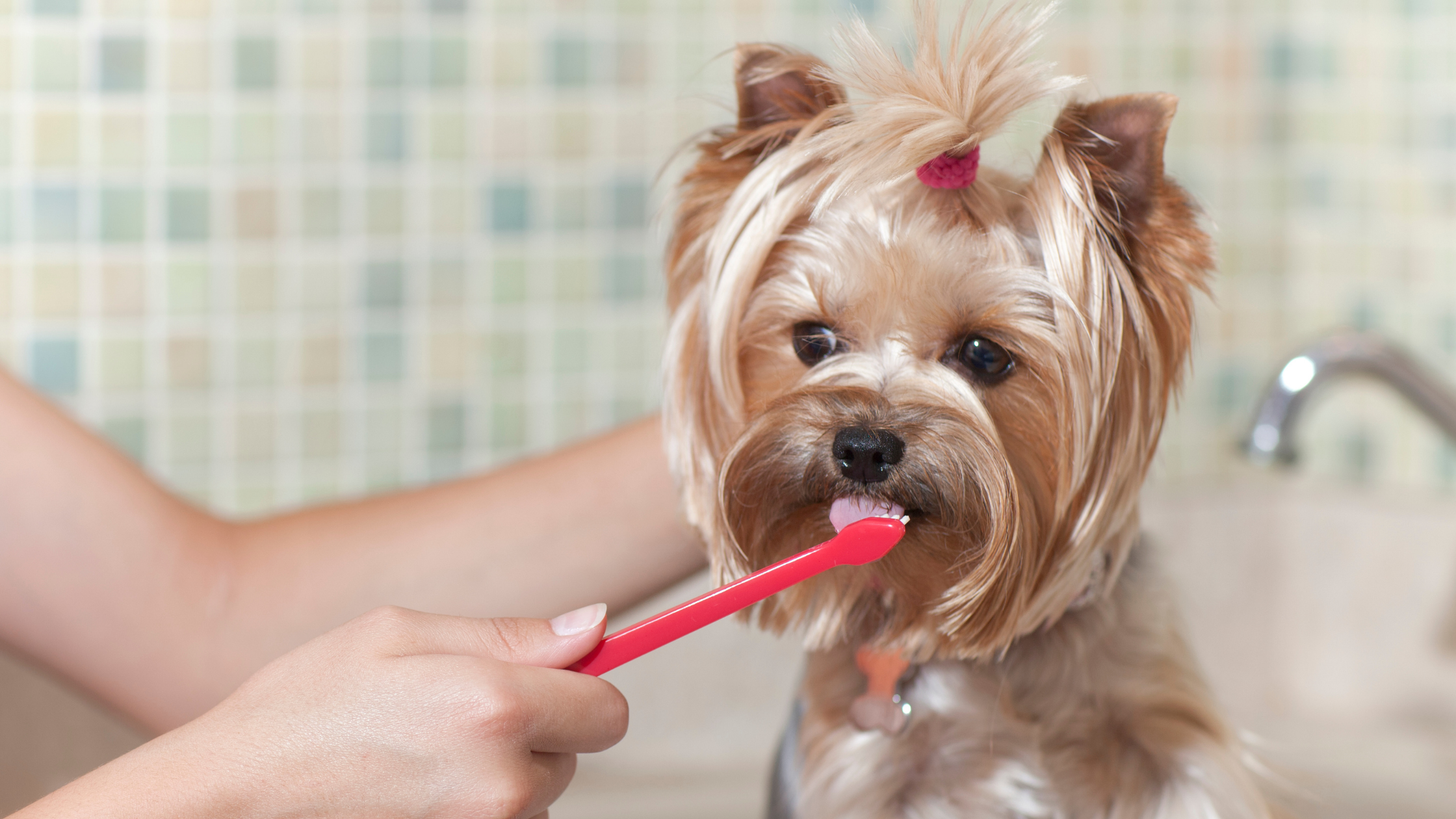
Our dog treats range covers everything from training-size pieces to longer-lasting chews. Dental treats for dogs are a particularly good pick for this night: they take a while to work through, which keeps a dog occupied while the doorbell is going, and they’re doing something useful for the teeth at the same time. There’s a dedicated cat treats range too.
Treats Made for Them


The part that lasts longer than the night
Here’s the hazard that doesn’t send anyone to the emergency vet but does the most damage over time.
Around 41% of Australian dogs and 32% of cats are overweight or obese. Carrying extra weight is linked to osteoarthritis, diabetes, heart disease, higher surgical risk and a shorter life.
The rule of thumb vets use: treats should make up no more than about 10% of your pet’s daily calories, with the other 90% from a balanced diet. That’s much less than most of us assume.

Three things that help, none of which involve being the fun police:
- Break treats into smaller pieces. Dogs respond to the event of getting a treat far more than the size of it. A chew snapped into thirds is three rewards.
- Subtract, don’t add. If it’s been a big treat day, take a little off dinner.
- Weigh your pet occasionally rather than going by how they look. Gradual gain is invisible day to day, and most clinics will let you use their scales.
If you’re unsure whether your pet is carrying extra weight, ask your vet for a body condition score at the next visit.
Enjoy the night
Halloween is good fun, and your dog or cat can be part of it! Just put the lolly bowl somewhere they can’t reach, battery candles in the pumpkin, a quiet room away from the front door, and treats that were made for them.
Browse healthy dog treats and the rest of our range at petchemist.com.au, and if you have any concerns about your pet’s weight, diet or anxiety around noise, your vet is the right person to talk to.


ABOUT THE AUTHOR
Melissa Nye, B. Pharm
Co-Founder and COO at Pet Chemist, AHPRA-registered pharmacist
Melissa is a registered pharmacist and Co-Founder of Pet Chemist Online. Passionate about making pet healthcare easier to understand, she combines trusted veterinary and pharmaceutical knowledge with practical, everyday advice to help Australian pet owners keep their dogs and cats healthy and happy.
If you have any concerns about your pet’s health, or are starting a new treatment or care routine, always speak with your veterinarian.